
No products in the basket.
Explore CBD edibles in Ireland, including gummies, sweets, chocolates, and other edible formats. Compare product strengths, ingredients, cannabinoid profiles, and laboratory information to understand the differences between the available CBD edible products.

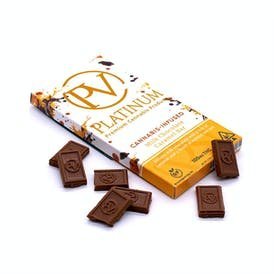


Sale!

Sale!

Sale!
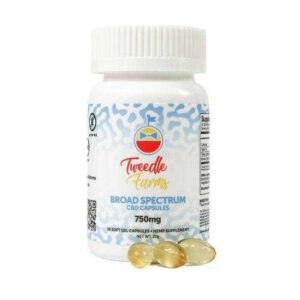
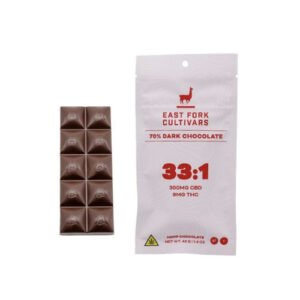
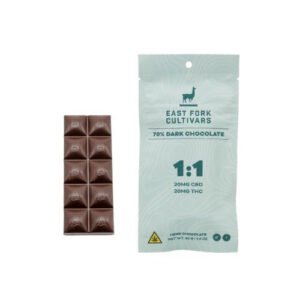
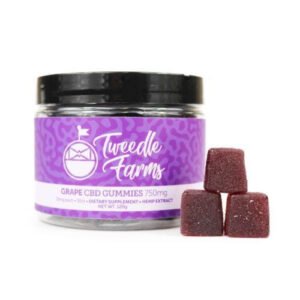
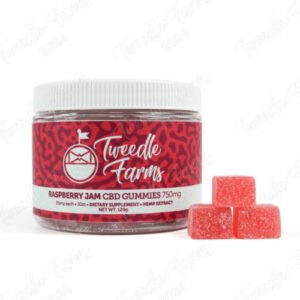
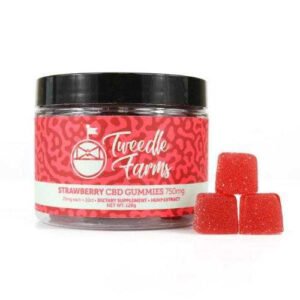
Sale!
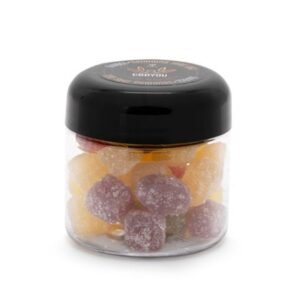
Original price was: €50.00.€45.00Current price is: €45.00.
Explore CBD Edibles in Ireland
CBD edibles are food products formulated with cannabidiol, commonly known as CBD. They are available in several formats, including gummies, sweets, chocolates, mints and soft chews.
The CBD content, ingredients, and cannabinoid profile can vary considerably between products. Customers should therefore read the complete product information rather than choosing an edible based only on its flavour, appearance or packaging.
This Cannablisshop category provides information about available CBD edible formats and the details customers should examine when comparing products.
What Are CBD Edibles?
CBD edibles combine cannabidiol with an edible product. Unlike ordinary sweets or confectionery, their labels should clearly identify the CBD content, complete ingredient list, quantity and relevant product warnings.
CBD may be incorporated as isolate, broad-spectrum extract or another specified hemp-derived ingredient. These formulations are not interchangeable, and the term “CBD edible” does not explain the product’s complete cannabinoid profile.
Customers should verify the formulation and laboratory documentation for each individual product.
Types of CBD Edibles
CBD Gummies
CBD gummies are flavoured, chewable products available in different shapes, flavours and formulations. Some products state the amount of CBD in each gummy, while others display only the total amount contained in the package.
Check the number of gummies and the stated CBD quantity per piece when comparing products.
CBD Sweets and Soft Chews
CBD sweets and soft chews may have a softer texture than traditional gummies. Ingredients can vary, particularly regarding sugar, flavorings, colourings and gelling agents.
Customers with allergies or dietary requirements should inspect the complete ingredient and allergen information.
CBD Chocolate
CBD chocolate combines a stated amount of cannabidiol with milk, dark or flavoured chocolate. The packaging should explain whether the CBD amount applies to an individual square, a suggested portion or the entire bar.
Chocolate products may contain milk, soya, nuts or other allergens.
CBD Mints and Lozenges
CBD mints and lozenge-style products are generally presented in smaller pieces. Their labels should identify the number of pieces, total CBD content and amount assigned to each piece.
Understanding CBD Edible Strength
CBD edible strength may be presented in milligrams per piece, per stated portion or for the complete package. These measurements should not be treated as though they mean the same thing.
For example, a package displaying 300 mg of CBD may contain that quantity across multiple individual gummies. Always check:
- Total CBD in the package
- CBD assigned to each individual piece
- Number of pieces
- Total product weight
- Stated portion information
- Cannabinoid profile
Avoid describing a product simply as “strong” or “weak” without explaining the relevant quantity and measurement.
CBD Isolate and Broad-Spectrum Edibles
An edible made with CBD isolate is formulated using a highly refined form of cannabidiol. A broad-spectrum formulation may contain CBD alongside selected naturally occurring hemp compounds.
These descriptions should be supported by product specifications and laboratory testing. Customers should not rely on front-label marketing language alone when assessing a product’s contents.
Ingredients, Allergens and Dietary Information
CBD edibles may contain sugar, sweeteners, gelatine, pectin, flavourings, colourings, dairy, soya, nuts or other ingredients.
A product should not be described as vegan, vegetarian, gluten-free, sugar-free or allergen-free unless its formulation and manufacturing information support that statement.
Customers should examine the allergen declaration and contact the manufacturer when important dietary information is unclear.
Laboratory Testing and Product Information
A certificate of analysis can provide additional information about a product’s tested cannabinoid profile. When laboratory documentation is available, verify that its batch or lot number corresponds with the product being offered.
Useful product information includes:
- CBD content per piece and package
- Complete ingredient list
- Allergen declaration
- Cannabinoid profile
- Batch or lot identification
- Best-before information
- Storage instructions
- Manufacturer or responsible business details
- Applicable warnings
Laboratory documentation should supplement proper labelling rather than replace it.
Storing CBD Edibles
Follow the storage instructions displayed on the individual product. Edibles should generally remain securely closed in their original packaging and protected from excessive heat, moisture, and direct sunlight.
Because gummies and sweets can resemble ordinary confectionery, they must be stored securely away from children and animals. Never transfer them into unlabelled sweet containers.
Browse CBD Edible Information
Explore the available product information and compare CBD edible formats, ingredients, strengths, and laboratory documentation. You can also visit the main CBD Ireland category to learn about other cannabidiol product formats.
Product availability should only be enabled where the applicable Irish food, novel-food, labelling, and controlled-drug requirements have been confirmed for that specific product.
Frequently Asked Questions About CBD Edibles
What are CBD edibles?
CBD edibles are food products formulated with cannabidiol. Common formats include gummies, sweets, chocolates, mints and soft chews. Ingredients and CBD concentrations vary between products.
What types of CBD edibles are available?
CBD edibles may include gummies, soft chews, sweets, chocolates, mints and lozenges. Each format can have a different ingredient list, cannabinoid profile and CBD quantity.
How is the strength of a CBD edible measured?
Strength is normally displayed in milligrams. The amount may apply to one piece, a stated portion or the entire package. Check the label carefully to determine what the displayed quantity represents.
What is the difference between total CBD and CBD per piece?
Total CBD refers to the stated amount in the complete package. CBD per piece describes the amount assigned to one gummy, sweet, mint or chocolate portion. These figures should not be confused.
What ingredients should I check in CBD edibles?
Check the complete ingredient list for sugar, sweeteners, gelatine, pectin, flavourings, colourings and allergens such as milk, soya or nuts. Dietary claims should be supported by the product information.
Are all CBD gummies vegan?
No. Some gummies use animal-derived gelatine, while others use pectin or another plant-based gelling ingredient. Check the product’s ingredient list and vegan certification where applicable.
What is a certificate of analysis?
A certificate of analysis is a laboratory report that may show the tested cannabinoid profile and results for selected contaminants. Where available, its batch number should match the product being offered.
How should CBD edibles be stored?
Follow the product’s storage directions. Keep edibles closed in their original labelled packaging, protected from excessive heat and moisture, and securely away from children and animals.
Are CBD edibles legal in Ireland?
Their regulatory status depends on their ingredients, authorisation, cannabinoid profile and intended use. CBD and other cannabinoid-containing hemp extracts used in food may require novel-food authorisation, while THC is controlled under Irish legislation. A low advertised THC percentage does not automatically establish legality.
Can CBD edibles make medical or health claims?
Food products may only use authorised nutrition or health claims under the applicable rules. CBD edibles should not claim to diagnose, treat, cure or prevent medical conditions.